
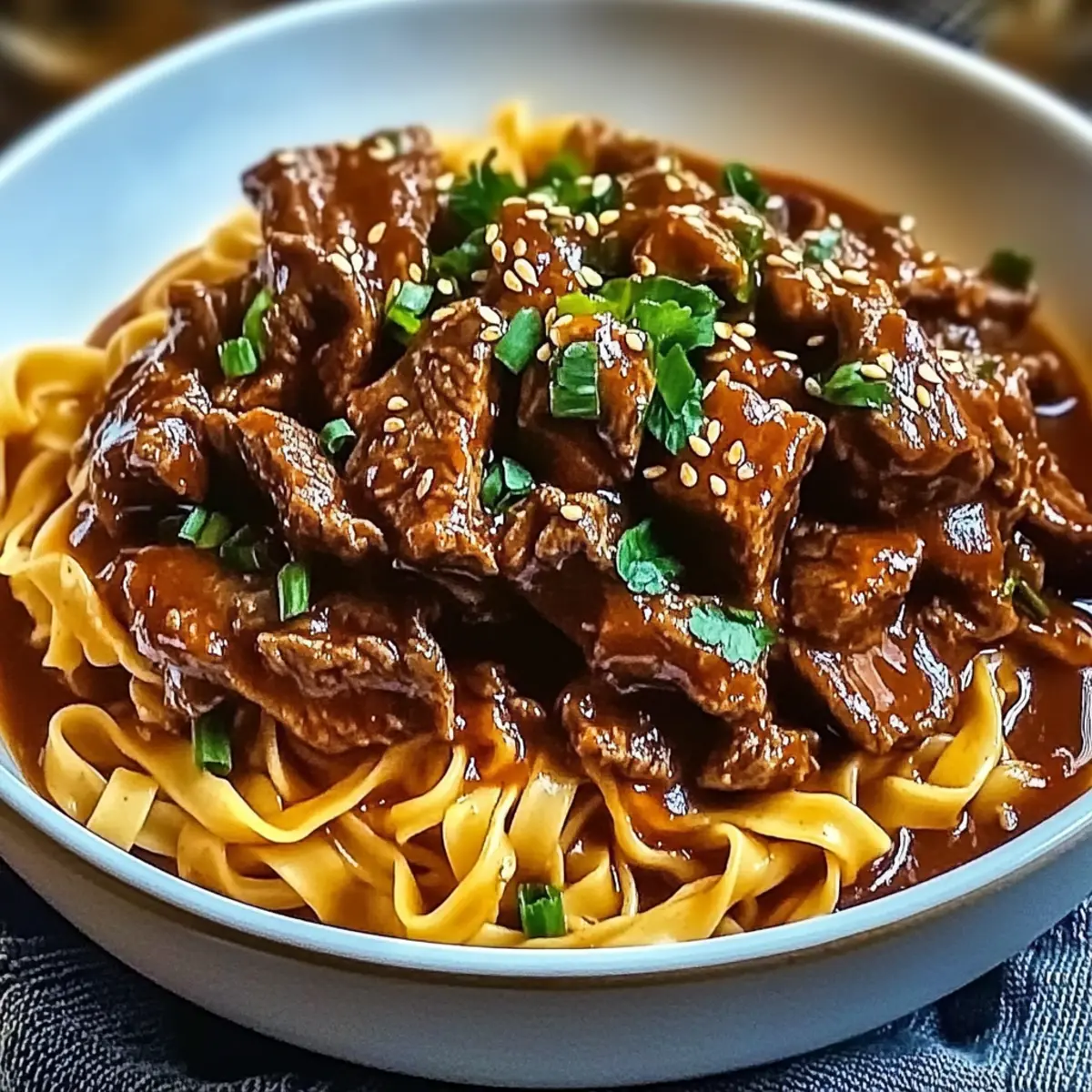
The aroma hit me like a warm hug as I stirred the simmering pot—there’s just something magical about Korean Beef Noodles that captures my heart and fills my home with comfort. This family-friendly slow cooker meal brings together tender beef and chewy noodles, drenched in a sweet and spicy sauce that’s irresistibly satisfying. What I love most is how simple it is to prepare; with just a quick mix of ingredients, I can let the slow cooker work its wonders while I tackle other tasks. Plus, this dish is perfect for those busy weeknights when you crave something hearty yet hassle-free. Ready to discover how to create this mouthwatering delight yourself? Let’s dive in!
Why Are Korean Beef Noodles Irresistible?
Comforting, this dish is the ultimate cozy meal you’ll want to bring to the table on chilly evenings. Effortless prep means you can simply toss everything into your slow cooker and let it handle the hard work while you unwind. Flavor explosion awaits as the sweet and spicy sauce blankets the tender beef and noodles, creating a dish that dances on your palate. Versatile options allow you to customize it with extra veggies or different cuts of beef, making it easy to adapt to your preferences. Plus, it’s crowd-pleasing—perfect for family dinners or impressing friends with minimal fuss. Enjoy it alongside some refreshing Korean Stir Noodles for a delightful meal spread!
Korean Beef Noodles Ingredients
• For the Beef & Broth
- Beef Chuck – Adds richness and protein; choose a well-marbled cut for tenderness.
- Beef Broth – Provides a flavorful base for the sauce; low-sodium options can be used to adjust saltiness.
- Water – Balances the sauce’s concentration for optimal flavor.
• For the Sauce
- Soy Sauce – Introduces umami and saltiness; tamari can be used for a gluten-free variant.
- Brown Sugar – Adds sweetness to counteract the saltiness of soy sauce; coconut sugar can be an alternative.
- Ginger (minced) – Provides warmth and spice; fresh ginger is preferred for its potency.
- Garlic (minced) – Enhances the overall flavor with its aromatic qualities.
- Sesame Oil – Contributes a nutty depth; toasted sesame oil can intensify the flavor.
- Black Pepper – Adds heat; adjust to taste.
- Gochujang (Korean chili paste) – Provides unique spice and depth of flavor; substitute with sriracha for heat but will lose tartness.
• For the Noodles
- Noodles (udon or ramen) – Form the base of the dish; use fresh noodles for best results; dried can be substituted but may require longer cooking time.
• For Garnishing
- Green Onions (sliced) – Adds freshness and color to the dish.
- Sesame Seeds – Optional topping that adds a nice crunch.
- Fresh Cilantro – Optional garnish for additional flavor and aroma.
Step‑by‑Step Instructions for Korean Beef Noodles
Step 1: Prepare the Beef
Start by trimming any excess fat from the beef chuck and slicing it into bite-sized chunks. Season the beef generously with black pepper to enhance its flavor. This step sets the stage for your Korean Beef Noodles, ensuring tender, seasoned meat as it slow-cooks.
Step 2: Mix the Sauce
In a large mixing bowl, combine the beef broth, soy sauce, brown sugar, minced ginger, minced garlic, sesame oil, and gochujang. Stir the mixture thoroughly for about 2-3 minutes until the sugar is fully dissolved. This sauce will infuse your beef with a delicious, savory flavor during cooking.
Step 3: Place in Slow Cooker
Transfer the seasoned beef into the slow cooker, spreading it evenly across the bottom. Pour the prepared sauce mixture over the beef, ensuring every piece is coated. This will create a rich flavor base for your Korean Beef Noodles.
Step 4: Cook
Cover the slow cooker with its lid and set the temperature to low for 6–8 hours or high for 3–4 hours. During this time, the beef will become tender and absorb all the savory flavors of the sauce. Check for doneness—the beef should easily shred with a fork when it’s ready.
Step 5: Cook Noodles
About 15-20 minutes before the cooking time is complete, prepare your noodles according to the package instructions. Boil a pot of water and cook the udon or ramen noodles for about 5–7 minutes until they’re al dente. Drain the noodles and set them aside, ready for combining.
Step 6: Combine
Once the beef is tender, gently add the cooked noodles to the slow cooker. Using tongs or a spatula, carefully stir the mixture until the noodles are fully coated in the flavorful sauce, allowing each bite of your Korean Beef Noodles to soak up all that goodness.
Step 7: Serve
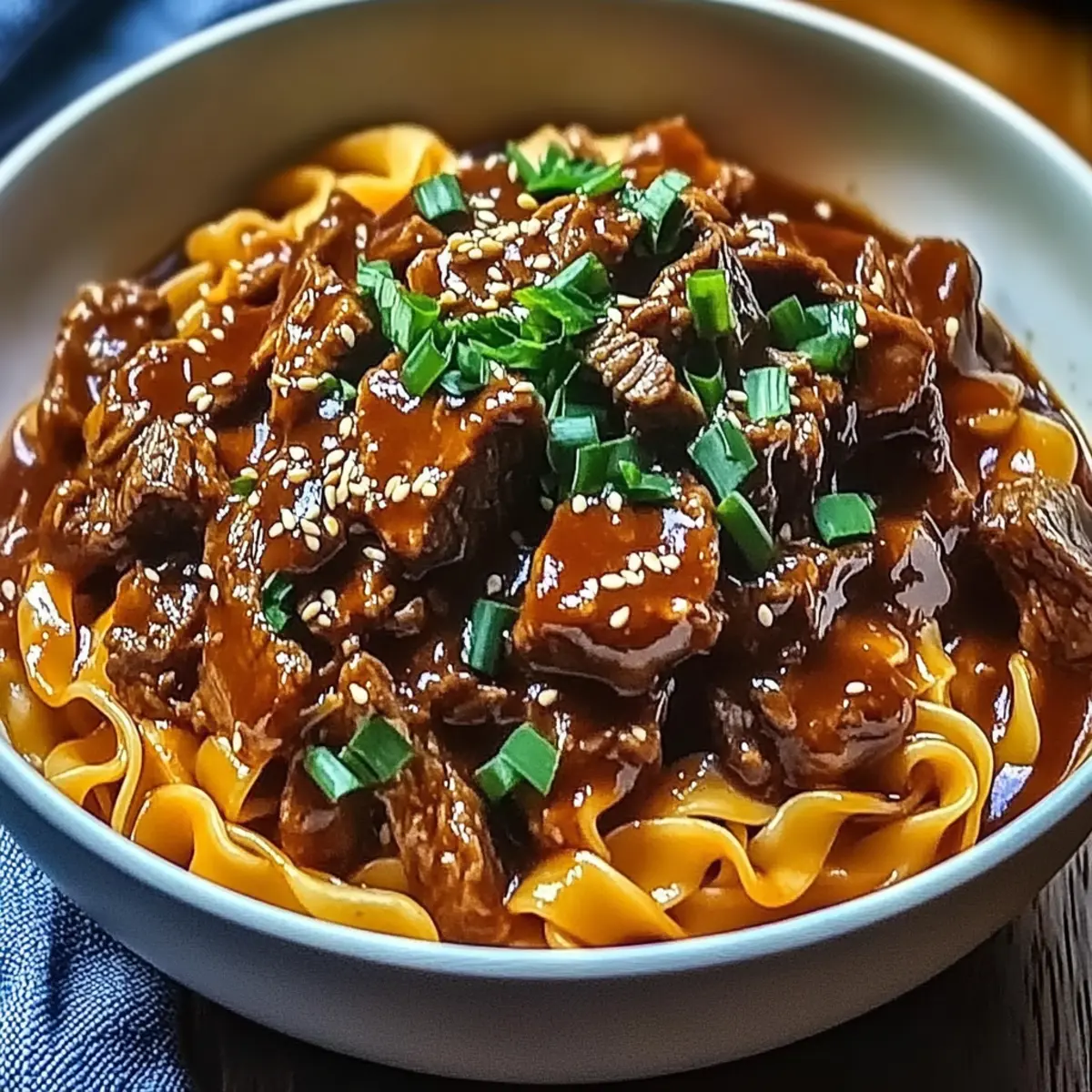
Scoop generous portions of the Korean Beef Noodles into bowls, garnishing them with sliced green onions, sesame seeds, and cilantro if desired. Serve hot and enjoy the comforting, rich flavors of this delicious slow cooker meal with family and friends.
Make Ahead Options
These Korean Beef Noodles are a fantastic option for meal prep, allowing you to save time during your busy weeknights! You can prepare the beef and sauce mixture up to 24 hours in advance. Simply season the beef and mix the sauce, then refrigerate them together in the slow cooker insert. For best results, store the noodles separately until you’re ready to cook to ensure they remain fresh and do not become mushy. When you’re ready to serve, just let the beef mixture slow-cook as directed, then cook the noodles about 15-20 minutes before the beef is done. You’ll have a comforting and hearty meal with minimal effort!
What to Serve with Korean Beef Noodles
The comforting warmth of Korean Beef Noodles creates a delightful canvas for a full meal experience, perfect for sharing with loved ones.
- Kimchi: This fermented side dish offers a crunchy, spicy contrast that enhances the savory flavors of the noodles, making each bite more exciting.
- Steamed Broccoli: Lightly seasoned steamed broccoli adds freshness and bright colors to your plate, balancing the richness of the beef. Its subtle crunch is also satisfying alongside the tender noodles.
- Cucumber Salad: A refreshing cucumber salad with a hint of vinegar introduces a cool element, cleansing the palate between each forkful of the rich noodles. The crunch and zing perfectly cut through the heaviness.
- Sesame Rice: Serve a side of fluffy sesame-infused rice for a delightful fiber to soak up the savory sauce left in your bowl. It’s the perfect blank canvas to absorb those incredible flavors.
- Sweet Potato Fries: Crispy sweet potato fries bring a touch of sweetness and texture that complements the spicy notes in the dish. Their sweetness offers a delightful contrast with the umami-rich noodles.
- Green Tea: A warm cup of green tea makes for a refreshing drink option, enhancing the dining experience with its earthy notes while helping to digest this hearty meal nicely.
- Mochi Ice Cream: Finish on a sweet note with mochi ice cream; its unique texture and mild flavor will provide a creamy, cooling contrast to your spicy, savory noodles.
- Pickled Radishes: A bright, tangy side like pickled radishes introduces a zesty flavor that complements the overall dish. Their crunch adds another delightful texture to your meal experience.
- Soy Sauce Wings: Add some crispy soy sauce wings for a fun finger-food option. The sweet and savory glaze of the wings brings a nice pairing to the overall Korean theme of the meal.
Expert Tips for Korean Beef Noodles
• Choose Quality Beef: Select well-marbled beef chuck for the best tenderness and flavor; lean cuts may result in a drier dish.
• Don’t Rush Cooking: Allow the slow cooker to do its magic; beef needs time to become fork-tender, so resist the urge to cut the cooking time short.
• Perfect Noodle Texture: Aim for al dente noodles before adding them to the slow cooker to prevent them from becoming mushy during mixing.
• Balance Flavors: Taste the sauce before cooking; adjust the sweetness or spice level according to your palate to get the best Korean Beef Noodles experience.
• Add Veggies: Consider incorporating sturdy vegetables like bell peppers or carrots during the cooking process for added nutrition and flavor without compromise.
Korean Beef Noodles Variations & Substitutions
Feel free to explore these delightful twists that will elevate your Korean Beef Noodles experience and cater to your preferences!
-
Flank Steak: Swap beef chuck for flank steak for a leaner texture and a unique flavor. It’s a tasty alternative that still promises tenderness.
-
Vegetable Boost: Add vibrant vegetables like carrots, bell peppers, or snap peas during cooking. Not only do they enhance nutrition, but they also add color and crunch to your dish.
-
Spicy Heat: Adjust the spice level by using extra gochujang or including fresh chili slices for those who crave a little kick! It can turn up the heat and deepen the flavor profile.
-
Gluten-Free: Use gluten-free soy sauce or tamari in place of regular soy sauce. This substitution ensures everyone can indulge in this tasty meal without worry.
-
Herb Infusion: Substitute fresh cilantro with basil or mint for a fresh twist. These herbs add a different dimension, refreshing the whole dish.
-
Noodle Options: Feel free to replace udon or ramen noodles with rice noodles or even zucchini noodles for a low-carb option. Each choice brings its own unique texture to the mix!
-
Sweet & Savory: Experiment with using honey or maple syrup instead of brown sugar for a natural sweetness that pairs beautifully with the savory flavors.
-
Broth Variations: For a deeper richness, use a combination of beef and chicken broth. This small change can amplify the overall umami taste of the dish.
Give these variations a try and make the Korean Beef Noodles your own! And if you’re looking for even more Asian-inspired recipes, consider adding some delicious Asian Style Ground Beef Lettuce Wraps to your meal plan for a fun, fresh side option!
How to Store and Freeze Korean Beef Noodles
Fridge: Store leftover Korean Beef Noodles in an airtight container for up to 3 days. This helps maintain flavor and texture while keeping your meal ready for a quick reheat.
Freezer: For longer storage, freeze the prepared dish in a freezer-safe container for up to 3 months. Ensure it’s tightly sealed to prevent freezer burn.
Reheating: When ready to enjoy, thaw in the fridge overnight. Gently reheat on the stove over low heat, adding a splash of beef broth or water to revive the noodles’ texture.
Airtight Storage: Always use airtight containers to keep the flavors intact and prevent spoilage; this applies to both fridge and freezer storage.
Korean Beef Noodles Recipe FAQs
How do I choose the right beef for Korean Beef Noodles?
Absolutely! For the best results, you want to select a well-marbled cut of beef chuck. Look for pieces with some fat running through them, as this marbling will create tender, melt-in-your-mouth beef during the slow cooking process. Avoid lean cuts, as they might end up being too dry.
What is the best storage method for leftovers of Korean Beef Noodles?
You can store leftover Korean Beef Noodles in an airtight container in the refrigerator for up to 3 days. This keeps the flavors vibrant and the dish ready for reheating. Just make sure to cool it down to room temperature before sealing to prevent condensation.
Can I freeze Korean Beef Noodles, and if so, how?
Very! To freeze Korean Beef Noodles, first, let the dish cool completely. Then, transfer it to a freezer-safe container, ensuring it’s tightly sealed to prevent freezer burn. It can be stored in the freezer for up to 3 months. When you’re ready to enjoy it, thaw it overnight in the refrigerator and gently reheat on low heat, adding a splash of beef broth or water to help revive the noodles.
What should I do if the beef isn’t tender after cooking?
If your beef isn’t tender after the suggested cooking time, don’t worry! Simply cover and continue cooking on low for another 1-2 hours, checking for doneness periodically. The beef should shred easily with a fork when done. If your slow cooker tends to run hot, consider adjusting the cooking time next time.
Is there a way to make Korean Beef Noodles gluten-free?
Absolutely! To make this dish gluten-free, substitute regular soy sauce with tamari or a gluten-free soy sauce alternative. Also, ensure that the gochujang you use is gluten-free, as some brands may contain wheat. This way, you can still enjoy the same delightful flavors without the gluten!
Can I use fresh vegetables in Korean Beef Noodles?
Yes, adding veggies can enhance both nutrition and flavor! I recommend including sturdy vegetables like bell peppers, carrots, or snap peas. Toss them into the slow cooker during the last hour of cooking, so they retain some crunch while infusing the broth with their goodness.
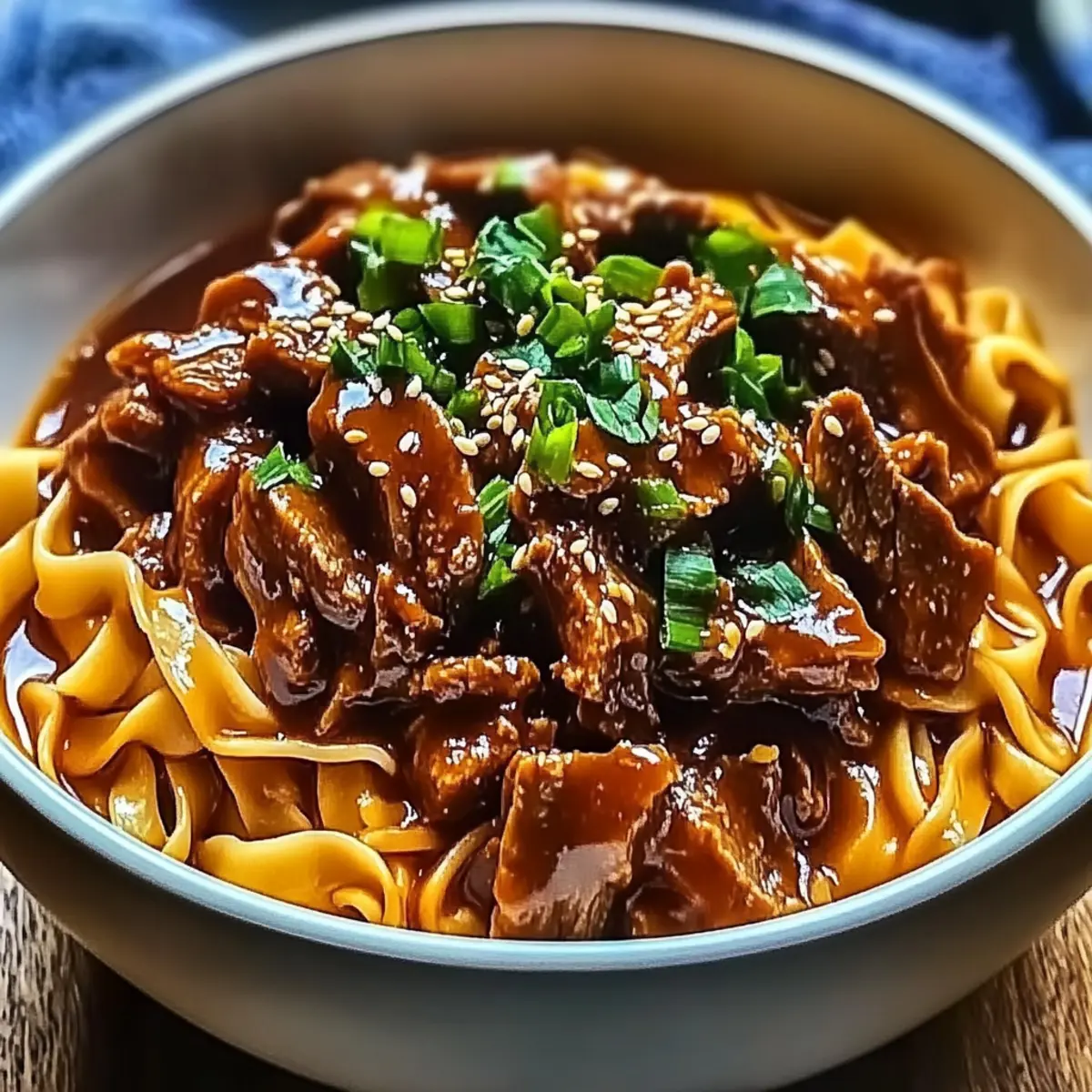
Korean Beef Noodles: Comfort Food for Your Slow Cooker Delight
Ingredients
Equipment
Method
- Prepare the Beef: Trim excess fat from the beef chuck and slice into bite-sized chunks. Season generously with black pepper.
- Mix the Sauce: In a mixing bowl, combine beef broth, soy sauce, brown sugar, minced ginger, minced garlic, sesame oil, and gochujang. Stir for 2-3 minutes until sugar is dissolved.
- Place in Slow Cooker: Transfer seasoned beef to the slow cooker and pour sauce mixture over it, ensuring all pieces are coated.
- Cook: Cover slow cooker with lid, set to low for 6-8 hours or high for 3-4 hours until beef is tender.
- Cook Noodles: 15-20 minutes before cooking time is complete, prepare noodles according to package instructions. Boil water, cook noodles for 5-7 minutes until al dente, drain and set aside.
- Combine: Once beef is tender, gently add cooked noodles to slow cooker and stir to coat with sauce.
- Serve: Scoop servings into bowls, garnish with sliced green onions, sesame seeds, and cilantro if desired.
Leave a Reply